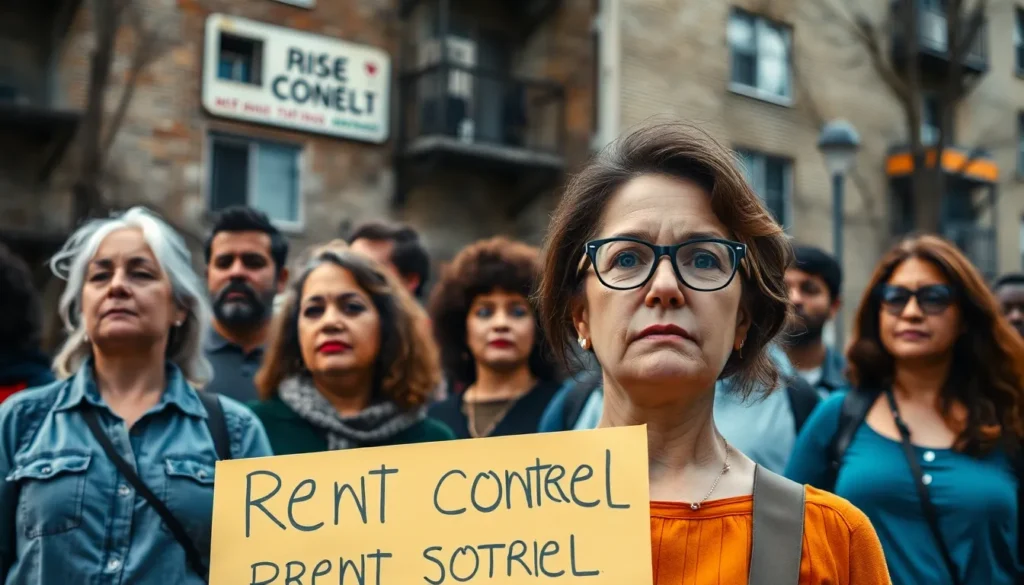

In a world where rent prices seem to rise faster than a hot air balloon, rent control laws enter the scene like a superhero in a cape—ready to save tenants from financial doom. These laws aim to keep housing affordable, ensuring that people can actually afford to live where they work and play. But do they really work, or are they just a band-aid on a much bigger wound?
Overview Of Rent Control Laws
Rent control laws regulate how much landlords can charge for housing. Various jurisdictions implement these laws to maintain affordability in residential rentals. Typically, these laws limit annual rent increases, preventing sharp spikes in housing costs. Regulations often vary significantly between cities and states, leading to diverse outcomes in tenant protection and housing availability.
In many locations, rent control aims to ensure stability for tenants facing rising living costs. Some laws prioritize long-term residents, providing them with protection against displacement. These measures often include exemptions for new constructions, which proponents argue stimulates housing development. Critics, however, point out that excessive regulations can discourage landlords from maintaining properties or investing in new rental units.
Studies indicate that rent control can help lower-income tenants manage their housing expenses. When implemented effectively, these laws can contribute to economic diversity within neighborhoods. However, unintended consequences often arise, such as reduced housing supply and poorly maintained properties.
Cities like San Francisco and New York have established notable rent control frameworks. In San Francisco, rent control applies to buildings constructed before June 1979, while New York covers units built before 1974. Each system includes unique rules about allowable rent increases and tenant protections.
Overall, the effectiveness of rent control laws remains a topic of debate. While they can provide immediate relief to tenants, they may also lead to long-term challenges in the housing market. Balancing tenant needs with property owner rights poses continual policy challenges for local governments.
History Of Rent Control Laws

Rent control laws emerged in response to housing shortages and skyrocketing rents. Historical events shaped their adoption and evolution across various jurisdictions.
Early Regulations
World War I marked the beginning of significant rent control measures. Governments established these laws to protect tenants from exorbitant rent hikes. By 1920, cities like New York implemented emergency rent regulations to preserve affordable housing. These early regulations often involved strict controls on rent increases. They aimed to stabilize rental prices during inflationary periods, reflecting a larger societal need for housing security.
Modern Developments
The late 20th century witnessed a resurgence in rent control discussions. Growing concerns about housing affordability led to legislative reforms in numerous cities. Various jurisdictions adopted or amended their rent control laws, attempting to balance landlord interests with tenant protections. In the 1990s, California implemented the Costa-Hawkins Rental Housing Act, setting limits on rent control measures for new developments. Recent waves of rent control proposals focus on expanding tenant rights while addressing the housing supply crisis. Current debates highlight the evolving relationship between affordable housing availability and landlord incentives in urban areas.
Pros Of Rent Control Laws
Rent control laws provide significant benefits to tenants and communities. These regulations strive to create a more balanced housing market.
Tenant Protection
Tenant protection forms a crucial aspect of rent control. These laws safeguard residents from excessive rent increases, fostering financial security. Individuals often enjoy more predictable housing costs, leading to reduced stress and stability. Protection measures create confidence for long-term residents, allowing them to plan their future more effectively. Some studies indicate that these regulations primarily benefit lower-income households, ensuring they can afford essential living expenses. When tenants feel secure in their homes, they often invest more in community engagement, enhancing overall neighborhood ties.
Community Stability
Community stability emerges as another key advantage of rent control. Stable housing arrangements promote enduring relationships among neighbors. When residents remain in their homes for extended periods, they contribute to social cohesion. Cities with rent control often experience a more diverse population, which can enrich local culture. These stable communities can lead to better local schools and lower crime rates. Rent control encourages landlords to maintain their properties due to long-term tenants who care about their living environment. Overall, these aspects create a more vibrant and interconnected community.
Cons Of Rent Control Laws
Rent control laws face criticism due to various drawbacks affecting landlords and the broader housing market.
Landlord Challenges
Landlords encounter significant challenges under rent control laws. These regulations often limit their ability to adjust rents in response to inflation or rising property maintenance costs. For instance, a landlord might find it difficult to cover increased property taxes if rent increases are capped. As a result, some landlords may skimp on necessary repairs, leading to a decline in property quality. Limited rental income can deter new investments in additional rental units or renovations. With reduced profitability, long-term interest in property ownership declines, exacerbating housing shortages and impacting the overall rental market.
Market Distortions
Market distortions arise as a common consequence of rent control regulations. Supply and demand dynamics get disrupted, often resulting in a reduced availability of rental units. Oversaturation of demand without proportional supply leads to increased competition among prospective tenants. Consequently, many individuals face longer search times and fewer options. Distorted pricing structures emerge, which can cause a disconnect between market realities and rental pricing. Rent control laws, while well-intentioned, may inadvertently deepen housing affordability issues by restricting developers from entering the market, thereby limiting new housing developments.
Case Studies Of Rent Control Laws
Examining case studies of rent control laws reveals diverse outcomes in housing markets across the United States. These examples illustrate effective and challenging implementations of such regulations.
Successful Implementations
San Francisco provides a notable example of successful rent control. Established in 1979, the city’s laws limit annual rent increases to the local Consumer Price Index, enabling stable housing costs for tenants. This framework fosters long-term residency, emphasizing community bonds. Another example includes New York City, where the Rent Stabilization Law protects millions of tenants from excessive rent hikes. Data indicates that about 1 million households benefit from these safeguards, promoting affordability in a notoriously expensive market. Successful implementations often strike a balance between landlord interests and tenant protections, ensuring housing stability while encouraging property maintenance.
Failed Experiments
Conversely, some rent control measures have failed due to unintended consequences. In the early 1990s, the city of Santa Monica instituted rigid rent controls, leading to a decline in available rental units. Landlords became reluctant to invest in new constructions, exacerbating the housing shortage. Similarly, in Cambridge, Massachusetts, over-regulation led to increased market distortions, with many properties falling into disrepair. The inability to adjust rents appropriately resulted in lower-quality housing and reduced tenant options. These failed attempts highlight the complexity of implementing effective rent control laws and the challenges faced in balancing various stakeholder interests.
Rent control laws present a complex solution to the pressing issue of rising housing costs. While they offer essential protections for tenants and contribute to community stability, the challenges they pose to landlords and the overall housing market cannot be overlooked. The balance between tenant rights and landlord interests is delicate and requires careful consideration.
As cities continue to grapple with housing affordability, the effectiveness of rent control laws will remain a topic of debate. Policymakers must weigh the benefits against the potential drawbacks to create frameworks that truly enhance housing availability and quality. The future of rent control will likely depend on innovative approaches that address the needs of all stakeholders involved.