
Imagine walking into a home that knows you better than your best friend. Smart home zones are revolutionizing how people live, turning ordinary spaces into personalized havens. From cozy reading nooks that adjust lighting to your favorite hue, to kitchens that know when you’re in the mood for a midnight snack, these zones are designed to cater to every whim.
But it’s not just about comfort; it’s about efficiency too. With the right setup, managing energy consumption becomes a breeze, leaving more time for the important things in life—like binge-watching that new series. Embracing smart home zones isn’t just a trend; it’s a lifestyle upgrade that can make even the laziest person feel like they’re living in the future. Let’s dive into how to create these magical spaces and transform any home into a tech-savvy sanctuary.
Overview of Smart Home Zones
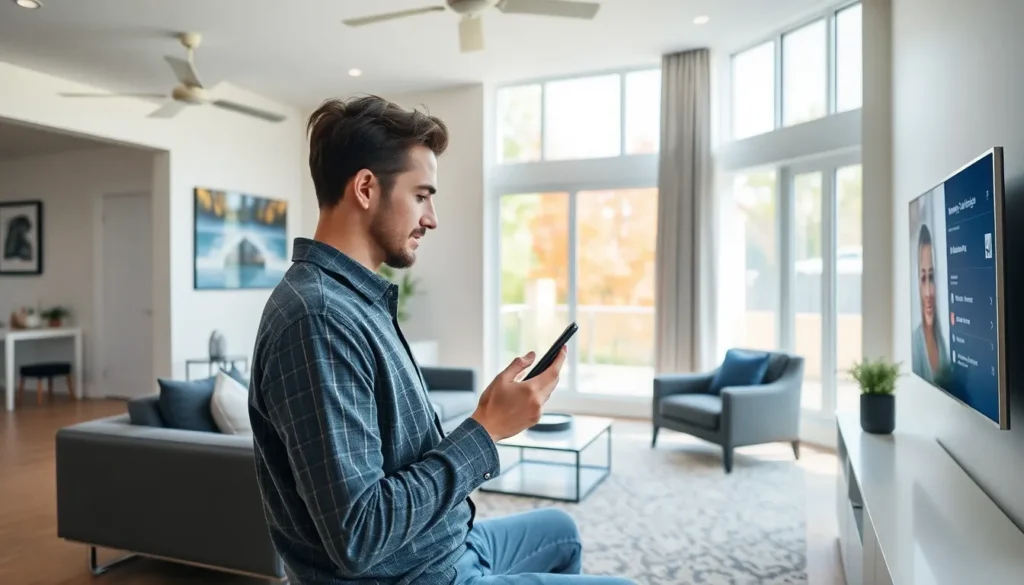
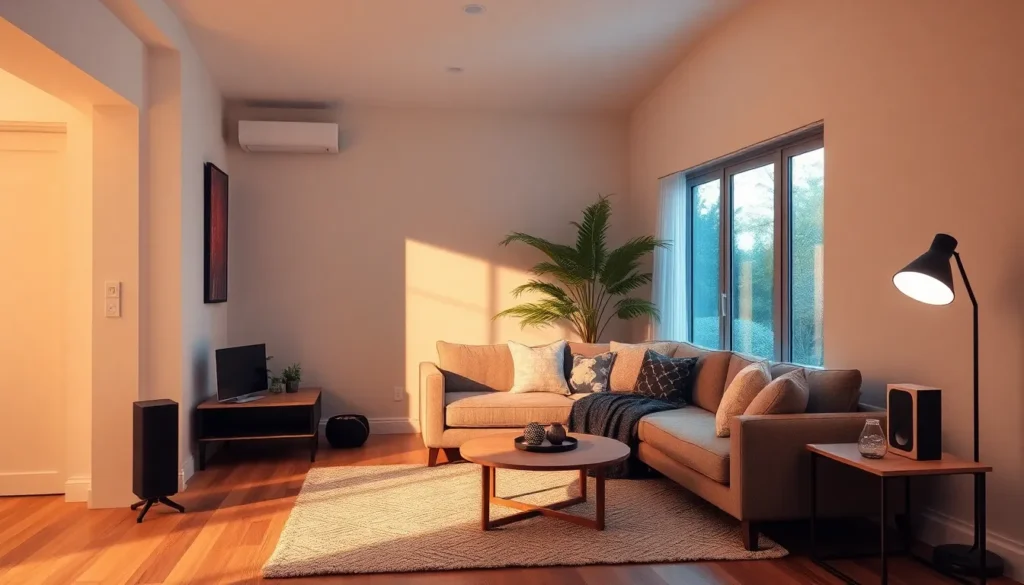
Smart home zones designate areas within a residence designed for enhanced automation and personalization. Customizable settings for lighting, temperature, and entertainment systems respond to individual preferences. Different rooms can function as unique environments based on activities or moods. For instance, a cozy atmosphere in the living room invites relaxation, while a focused setting in the home office promotes productivity.
Technology integration drives the functionality of these zones. Smart devices, such as smart speakers, thermostats, and lights, interconnect seamlessly to create a cohesive system. Homeowners can program devices to activate at specific times or in response to specific actions. Certain rooms may feature motion sensors that detect presence, adjusting settings automatically upon entering.
Energy efficiency plays a significant role in the appeal of smart home zones. Automated systems optimize energy usage, leading to cost savings over time. For example, smart thermostats learn user habits, adjusting temperature settings to conserve energy when occupants are away. Similarly, smart lighting systems can turn off when no one is present, reducing unnecessary electrical consumption.
Enhanced security measures benefit from smart home zoning as well. Homeowners can configure alerts for specific areas, enabling notifications for unusual activity. Surveillance cameras can be set to focus on entry points or other critical regions within the home.
Understanding the layout of smart home zones facilitates the planning of installations. Prioritizing areas with the highest utility ensures systems address daily needs effectively. Creating diverse ambiances in various spaces enriches the overall living experience, making smart home technology a rewarding investment.
Benefits of Smart Home Zones
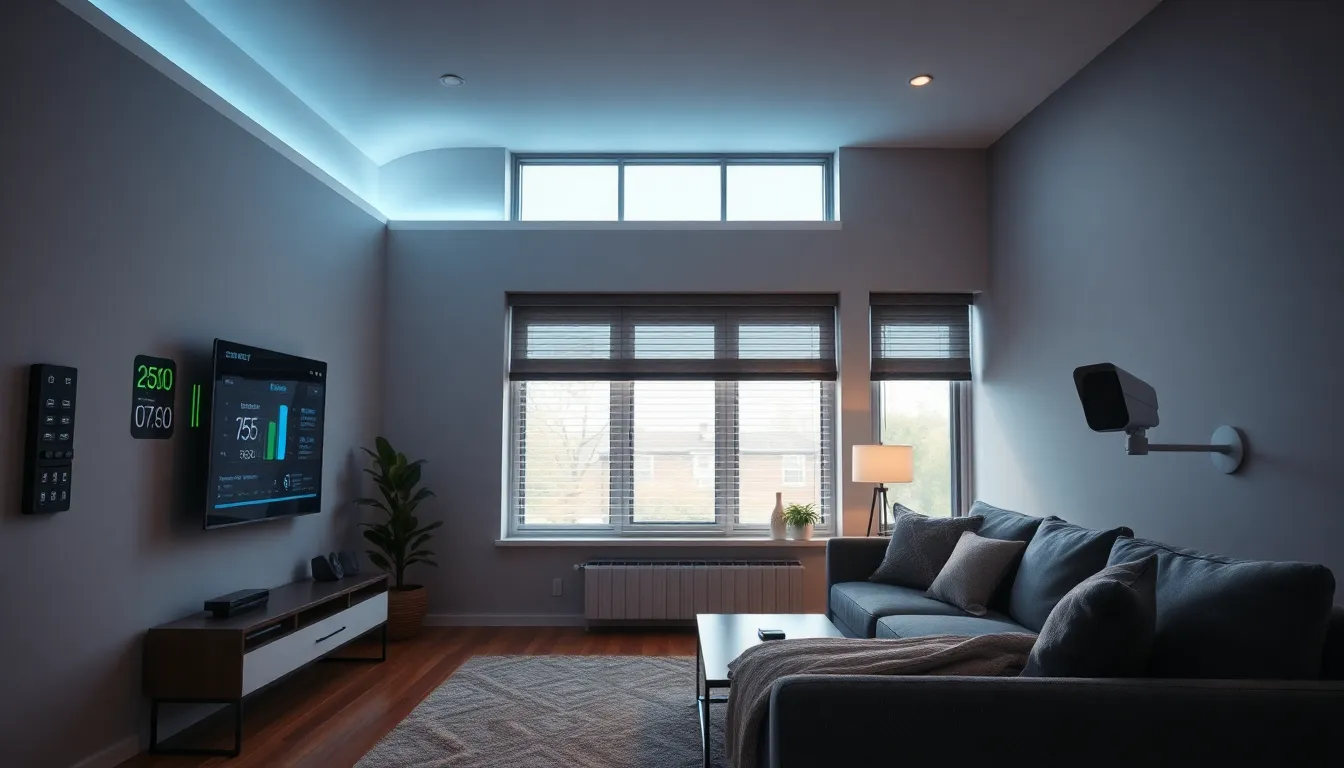
Smart home zones offer numerous advantages that enhance daily living. These benefits range from improved security to increased energy efficiency.
Enhanced Security Features
Smart home zones significantly elevate security measures. Homeowners can install smart cameras in designated areas to monitor activity in real-time. Automated alerts notify users about unusual movements or unauthorized entry. Integration of motion sensors generates immediate responses, ensuring a swift reaction to potential threats. Users can control access remotely, allowing them to lock doors or grant entry to visitors while away. Enhanced visibility through smart lighting deters intruders by creating an illusion of occupancy. The ability to customize security settings for different zones also improves overall safety.
Energy Efficiency Improvements
Energy efficiency becomes a primary benefit in smart home zones. Smart thermostats adjust temperature settings according to occupancy patterns, reducing energy waste. They optimize heating and cooling based on real-time data, leading to cost savings on utility bills. Adaptive lighting systems allow users to set schedules that turn off lights in unoccupied areas, reducing electricity consumption. Energy monitoring devices track usage and provide insights into peak consumption times. Homeowners can implement automated shades to regulate natural light and enhance energy conservation. These technologies work together to create a more sustainable living environment, benefiting both the homeowner and the planet.
Types of Smart Home Zones
Smart home zones enhance the living experience by integrating technology into distinct areas. Different zones serve various functions, optimizing comfort, efficiency, and security.
Living Room Automation
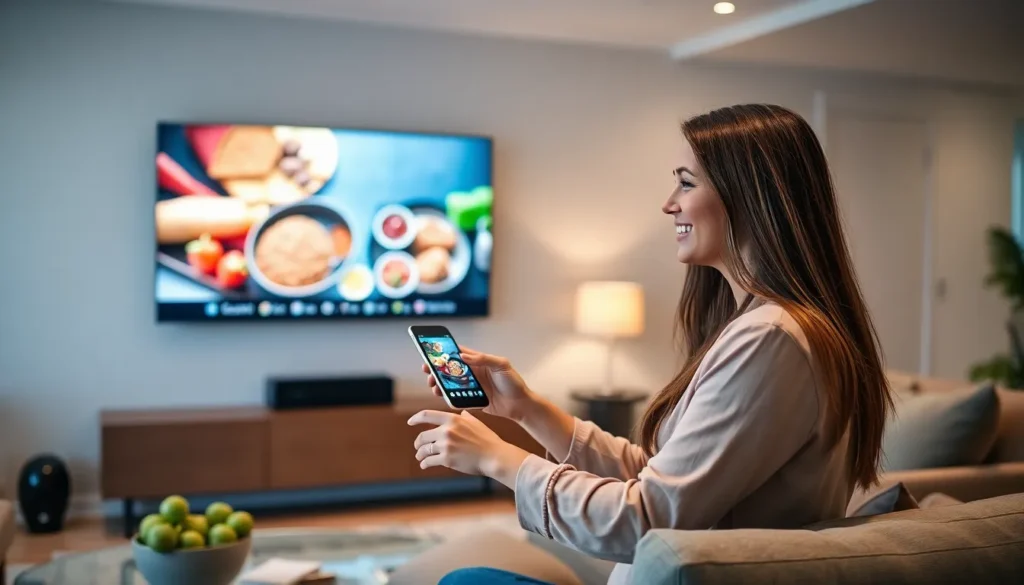
Living room automation creates a centralized hub for relaxation and entertainment. Smart lighting adjusts brightness based on time of day or activities, like movie nights or gatherings. Entertainment systems seamlessly integrate with voice control for easy access to streaming services. Smart thermostats maintain a comfortable temperature, adapting to changes in occupancy. Users can even automate curtains, allowing natural light to flood the space or ensure privacy at night.
Kitchen Integration
Kitchen integration utilizes smart technology to streamline culinary tasks. Devices such as smart refrigerators track inventory and suggest recipes based on available ingredients. Lighting enhances ambiance, increasing brightness for meal prep or dimming during family dinners. Smart ovens and cooktops can be controlled remotely, allowing for precise temperature adjustments. Automation aids in energy management, reducing costs through optimized appliance usage and lighting schedules.
Bedroom Comfort Control
Bedroom comfort control focuses on creating a restful environment. Smart thermostats adjust temperature throughout the night for optimal sleep conditions. Lighting can shift to soothing tones, facilitating relaxation before bedtime. Automated blackout shades promote better sleep by blocking external light. Integrating smart alarms allows for gentle wake-up routines, gradually increasing light and sound to promote a natural awakening.
Outdoor Smart Zones
Outdoor smart zones extend connectivity beyond the interior of a home. Smart lighting enhances security and ambiance in gardens and patios. Automated irrigation systems ensure landscapes remain healthy without excess water usage. Surveillance cameras monitor perimeters, providing real-time alerts for unusual activity. Additionally, smart speakers connect outdoor entertainment, allowing users to enjoy music or podcasts seamlessly while relaxing or entertaining guests.
Setting Up Smart Home Zones
Creating smart home zones requires selecting the right devices and ensuring proper installation for maximum effectiveness.
Choosing the Right Devices
Selecting devices tailored to specific zones enhances the smart home experience. Smart bulbs offer adjustable brightness and color, perfect for creating ambiance in living areas. Thermostats facilitate optimal temperature control, adapting to schedules and preferences. Speakers allow for voice control, offering convenience in entertainment zones. Security cameras promote safety, providing peace of mind in outdoor areas. Each device should complement the others, forming a cohesive system that addresses individual needs.
Installation Tips and Tricks
Effective installation ensures seamless functionality in smart home zones. Begin by assessing the layout of the home, identifying specific needs for each area. Position devices where they can effectively communicate for uninterrupted connectivity. Follow manufacturer guidelines to minimize installation errors. Use apps to configure devices and integrate them with a central hub. Testing the system post-installation helps confirm functionality and identify necessary adjustments. Proper installation ultimately sets the foundation for a smooth smart home experience.
Smart home zones represent a significant leap in how individuals interact with their living spaces. By tailoring environments to specific needs and preferences, these zones not only enhance comfort but also promote efficiency and security. The integration of smart technology offers homeowners the ability to create personalized settings that adapt to their lifestyles.
As the trend continues to evolve, investing in smart home zones becomes an essential aspect of modern living. With the right devices and thoughtful installation, anyone can transform their home into a sanctuary of convenience and safety. Embracing this technology not only elevates daily experiences but also paves the way for a more connected and efficient future.