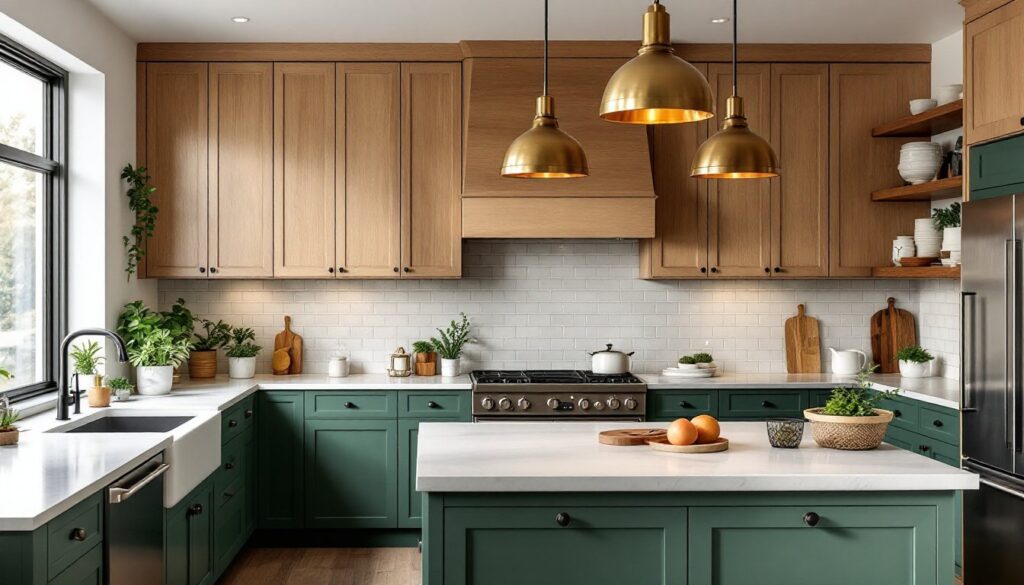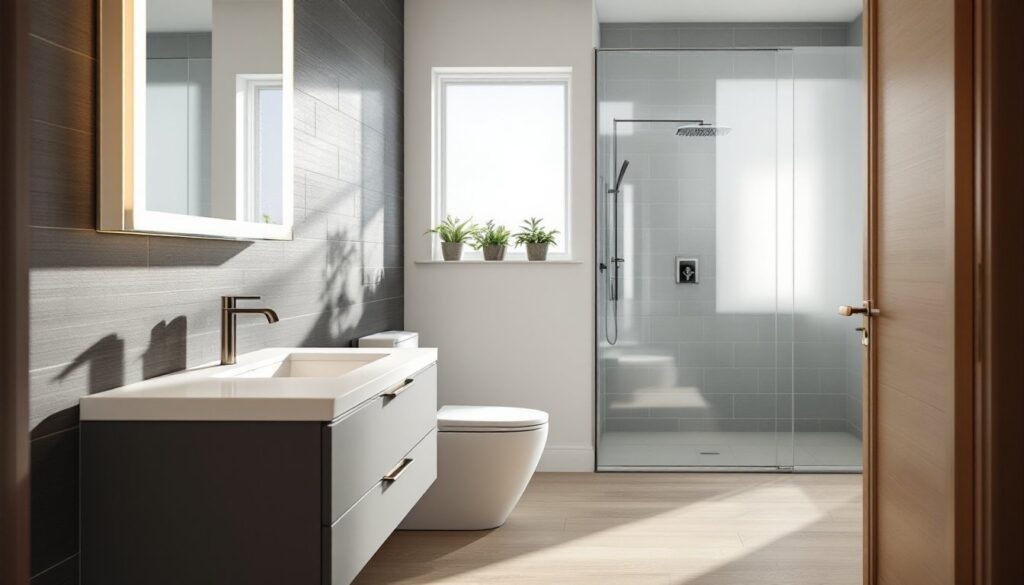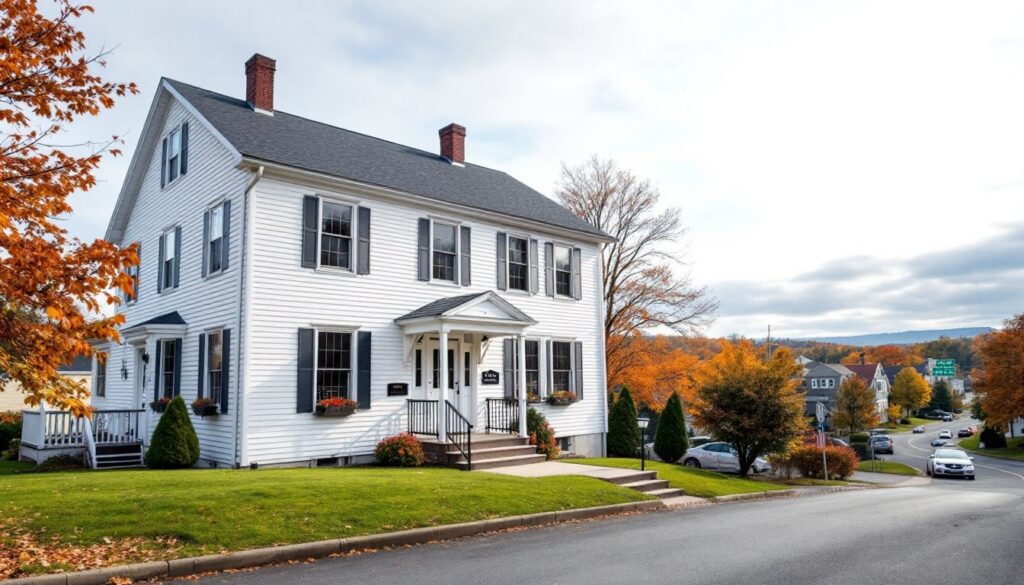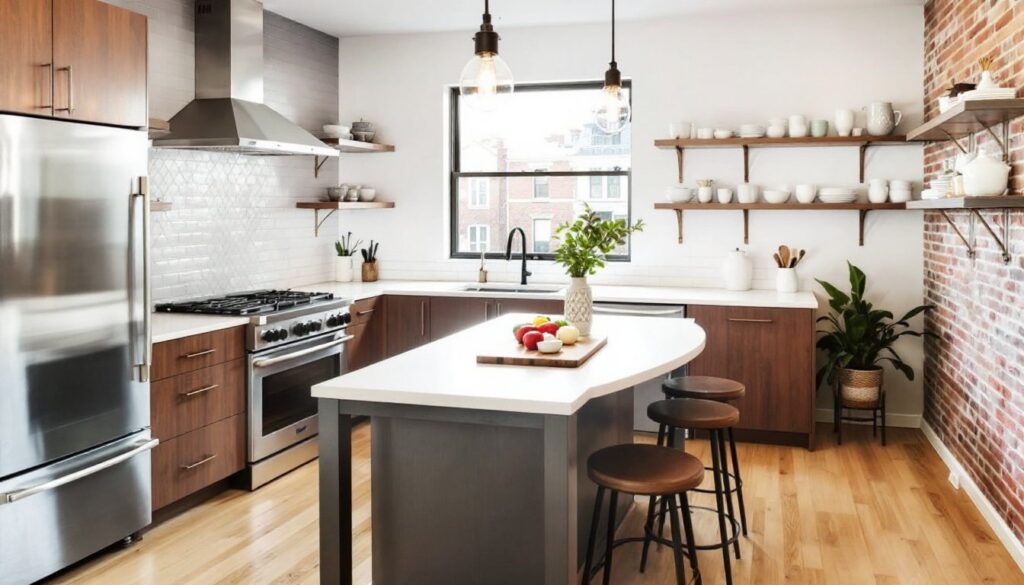

Pittsburgh’s housing market is buzzing with kitchen renovations, and for good reason. Whether you’re flipping a century-old Lawrenceville rowhouse or updating a Squirrel Hill colonial, the kitchen remains the single biggest value driver in a home. But beyond resale numbers, a well-designed kitchen changes how a household functions. This guide walks through the design styles, functional considerations, and local resources Pittsburgh homeowners need to tackle a kitchen project, whether you’re hiring pros or rolling up your sleeves for a DIY refresh.
Table of Contents
ToggleKey Takeaways
- Kitchen design in Pittsburgh recoups 75–80% of remodel costs at resale, with higher returns in competitive neighborhoods like East Liberty and Highland Park.
- Industrial-modern and transitional styles dominate Pittsburgh kitchen design, leveraging the city’s steel heritage with exposed brick, open shelving, and durable finishes like quartz countertops.
- A functional kitchen layout requires the work triangle (sink, stove, refrigerator) to total 12–26 feet, with at least 15 inches of counter space beside the cooktop and proper LED layered lighting.
- Pittsburgh kitchens often require structural upgrades like replacing outdated electrical panels, adding GFCI outlets, and installing load-bearing beams—work that demands licensed contractors and building permits.
- Budget-friendly kitchen updates in Pittsburgh include cabinet refacing ($3,000–$7,000), butcher-block or quartz countertops, peel-and-stick backsplash tiles, and LED lighting retrofits that deliver quick visual impact without full renovation costs.
- Lead times for custom cabinetry run 8–12 weeks, while full kitchen remodels in Pittsburgh range from $25,000 to $75,000+ depending on finishes and scope.
Why Pittsburgh Homeowners Are Investing in Kitchen Renovations
Pittsburgh’s real estate market has seen steady appreciation, especially in neighborhoods like East Liberty, Highland Park, and the North Side. A midrange kitchen remodel recoups roughly 75–80% of its cost at resale, according to national data, higher in competitive zip codes. But homeowners aren’t just chasing ROI.
Pittsburgh’s older housing stock means many kitchens still have original 1950s cabinetry, outdated electrical panels that can’t handle modern appliances, and layouts that predate open-concept living. Upgrading isn’t cosmetic: it’s often structural. Replacing a 100-amp panel, adding GFCI outlets per NEC Article 210.8, and opening a load-bearing wall (with a properly sized LVL beam) are common scope items.
Another driver: energy efficiency. Western Pennsylvania winters are no joke, and poorly insulated exterior walls behind cabinetry or single-pane windows over the sink can spike heating bills. Homeowners are pairing kitchen remodels with better insulation, Energy Star–rated appliances, and LED under-cabinet lighting to cut long-term costs.
Finally, the pandemic reshaped how people use kitchens. More cooking at home, more kids doing assignments at the island, more Zoom calls from the breakfast nook. A functional layout isn’t optional anymore, it’s infrastructure.
Popular Kitchen Design Styles in Pittsburgh Homes
Industrial-Modern Kitchens
Pittsburgh’s steel heritage shows up in its interiors. Exposed brick, open shelving with steel brackets, and subway tile backsplashes are everywhere, especially in converted warehouses in the Strip District or Lawrenceville lofts. Think matte black faucets, concrete or butcher-block countertops, and minimal upper cabinetry to keep sightlines open.
Materials lean hard on durability. Quartz countertops (not granite) in honed finishes resist staining and don’t need sealing. Cabinet fronts in walnut or white oak with flat-slab doors (no raised panels) keep the look clean. Pendant lights with Edison bulbs or cage fixtures tie in the industrial vibe without overdoing it.
One caution: open shelving looks great on Remodelista, but it demands discipline. Dust settles fast, and mismatched mugs or cereal boxes kill the aesthetic. If you’re not naturally tidy, mix open shelves with closed cabinetry.
Traditional and Transitional Designs
In older neighborhoods, Mount Lebanon, Shadyside, Sewickley, homeowners skew toward Shaker-style cabinetry, white or soft gray paint, and classic subway or arabesque tile. These kitchens prioritize warmth and longevity over trends.
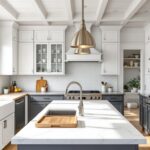
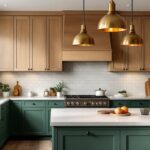
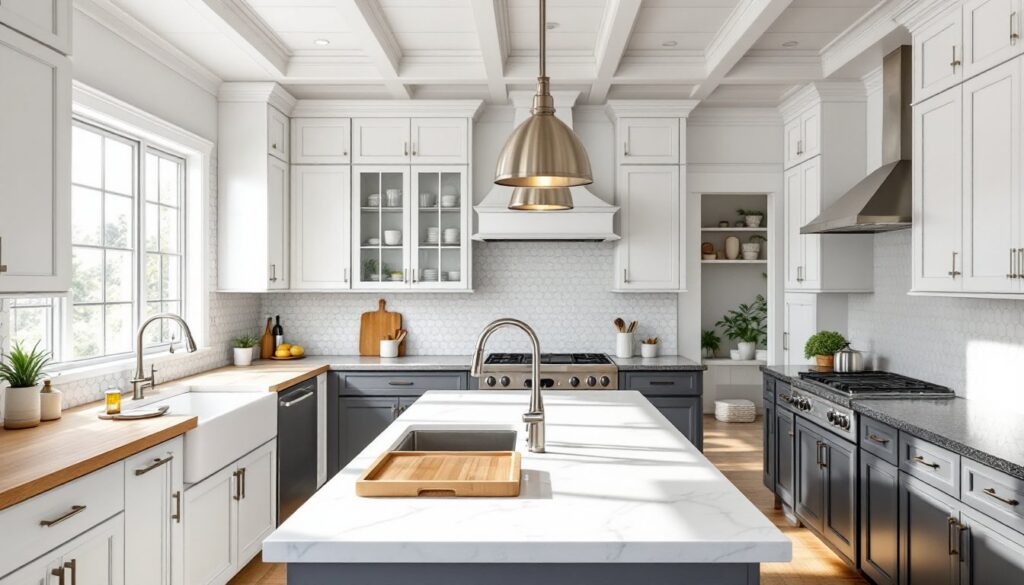
Transitional designs blend traditional bones with modern restraint. Picture white shaker cabinets with brushed nickel hardware, a marble or quartzite island countertop, and stainless appliances. Lighting might include a mix of recessed cans and a single statement pendant over the island, not a full chandelier, but not stark either.
Countertops in this style often use granite (still popular in Pittsburgh) or marble, though marble requires sealing every 6–12 months and etches easily with acidic foods. If you want the look without the maintenance, consider quartz in a marble pattern.
Backsplashes run the gamut: classic 3×6 subway tile in a brick or herringbone pattern, or handmade ceramic tile from local suppliers. Grout color matters, light gray grout hides everyday grime better than pure white and doesn’t darken as fast as charcoal.
Key Elements of a Functional Pittsburgh Kitchen
Layout trumps finishes. A gorgeous backsplash won’t fix a sink that’s 12 feet from the stove. The work triangle, sink, stove, refrigerator, should total 12 to 26 feet. Less feels cramped: more wastes steps.
Pittsburgh kitchens often contend with limited square footage. Galley layouts work well in rowhomes: L-shaped or U-shaped configurations suit colonials. If you’re opening a wall to gain space, verify it’s not load-bearing. Expect to install a flush beam (LVL or steel) sized by an engineer if it is. This isn’t optional, it’s code and safety.
Storage density separates good kitchens from great ones. Deep drawers with full-extension soft-close slides hold more than lower cabinets with shelves. Lazy Susans or pull-out organizers maximize corner cabinets. A pantry cabinet (even a narrow 12-inch pull-out) beats cramming dry goods into upper cabinets.
Counter space is non-negotiable. Plan for at least 15 inches of landing area beside the cooktop and 18 inches next to the sink (per IRC minimums). If you’re tight on room, a rolling butcher-block cart adds prep surface and doubles as an island.
Lighting layers matter. Recessed LED cans provide general illumination (aim for 50–75 lumens per square foot). Under-cabinet LED strips light countertops for prep work. A pendant or two over the island adds task lighting and visual interest. Avoid the single-ceiling-fixture trap, it casts shadows everywhere.
Ventilation is code in most jurisdictions. A range hood ducted to the exterior (not recirculating) removes grease, moisture, and combustion byproducts. Aim for at least 100 CFM for a 30-inch range, more for gas cooktops. Check local codes: some require makeup air if the hood exceeds 400 CFM.
Working with Local Pittsburgh Kitchen Designers and Contractors
If the project involves moving plumbing, relocating gas lines, or electrical upgrades beyond simple outlet swaps, hire licensed professionals. In Pittsburgh, building permits are required for structural changes, electrical work beyond 120V circuits, and gas line modifications. The city won’t let DIYers pull those permits, you need a licensed contractor.
Kitchen designers (NKBA-certified or interior designers with kitchen portfolios) charge flat fees or hourly rates ($100–$200/hour is typical). They handle layout, materials, and specifications. Some work independently: others are in-house at cabinet shops or remodeling firms.
General contractors coordinate trades, electricians, plumbers, tile setters, cabinet installers. Expect to pay 15–20% overhead and profit on top of labor and materials. Get three written bids. Check references. Verify they’re insured (general liability and workers’ comp).
Local resources include kitchen and bath remodelers in Pittsburgh with portfolios and reviews. Many have showrooms in Robinson Township or the South Hills where you can see cabinet samples, countertop slabs, and fixture displays.
Lead times for custom cabinetry run 8–12 weeks: stock or semi-custom cabinets ship faster (2–4 weeks). Countertop fabrication takes 2–3 weeks after template. Appliances can be sourced locally or online, but delivery delays are still common, order early.
Be upfront about budget. A full kitchen remodel in Pittsburgh ranges from $25,000 to $75,000+ depending on size, finishes, and scope. High-end projects with custom cabinetry, pro-grade appliances, and structural work easily hit six figures.
Budget-Friendly Kitchen Design Tips for Pittsburgh DIYers
Reface or repaint existing cabinets instead of replacing them. If the boxes are solid wood or plywood (not particleboard), new doors, drawer fronts, and hardware can transform the look for $3,000–$7,000. Benjamin Moore Advance or Sherwin-Williams ProClassic are durable cabinet paints. Expect to sand, prime (oil-based or bonding primer), and apply two topcoats. Use a HVLP sprayer or foam roller for a smooth finish.
Swap countertops without touching cabinets. Butcher-block costs $40–$60 per square foot installed and brings warmth. Seal with mineral oil or polyurethane. Laminate is making a comeback, modern patterns mimic stone well and cost $20–$40 per square foot. Quartz remnants from a fabricator can save 30–50% if your kitchen is small.
Peel-and-stick backsplash tiles have improved. They won’t fool a pro up close, but products from brands like Tic Tac Tiles or Smart Tiles last 3–5 years and install in an afternoon. For a more permanent solution, subway tile from a big-box store runs $1–$3 per square foot: budget another $2–$4 for thinset, grout, and supplies.
Replace hardware and fixtures. New cabinet pulls and knobs ($3–$10 each) update the look fast. A single-handle faucet with a pull-down sprayer costs $80–$200 and installs in under an hour (turn off the water first). If you’re keeping the sink, verify hole spacing matches.
Open shelving replaces upper cabinets on one wall for $100–$300 in materials (brackets, boards). Use 3/4-inch hardwood or edge-banded plywood. Mount brackets into studs with 3-inch screws. This works best for dish storage near the dishwasher or everyday kitchen essentials you use daily.
Paint walls and ceilings. A gallon of Sherwin-Williams Emerald or Benjamin Moore Regal Select covers ~350 square feet and costs $60–$80. Use satin or eggshell in kitchens, easier to wipe down than flat. Don’t skip primer if you’re covering dark colors or stains.
LED upgrades drop energy use and improve light quality. Retrofit kits for existing recessed cans cost $10–$20 each and snap in without rewiring. Plug-in under-cabinet LED strips (hardwired is better, but this is faster) run $20–$50 per strip.
Safety note: Wear safety glasses when cutting tile or wood, nitrile gloves when handling solvents or sealers, and a respirator (not a dust mask) when sanding paint or MDF. If you’re unsure about electrical work, call a licensed electrician. It’s cheaper than a house fire.