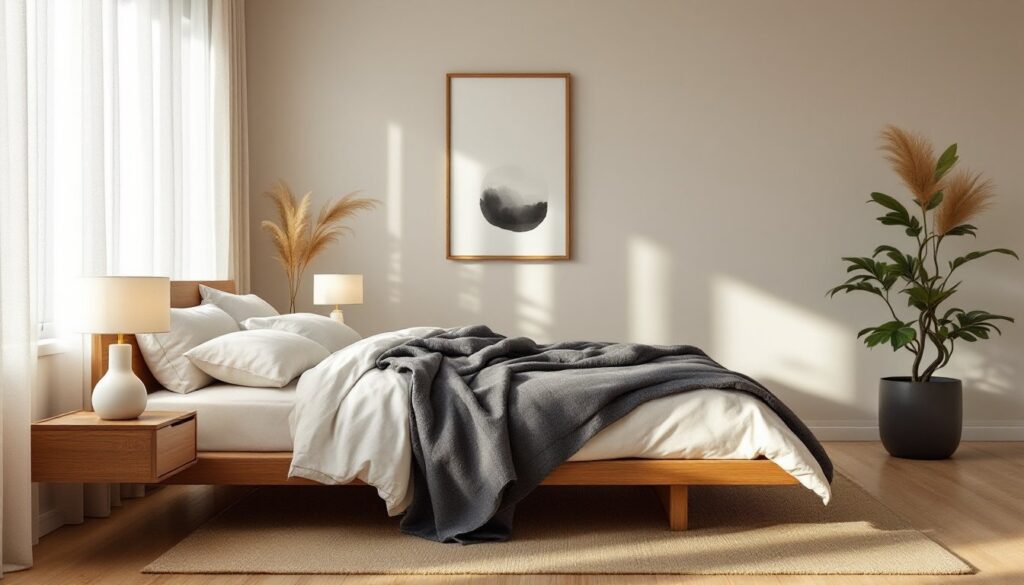

Japandi design emerged around 2018 as a natural fusion of Japanese wabi-sabi and Scandinavian hygge, and it’s still going strong in 2026. Bedrooms are the perfect testing ground for this style, they need to be calming, functional, and stripped of clutter. Unlike other trends that lean heavily on decor, Japandi focuses on materiality, proportion, and negative space. That means fewer items to buy, less to maintain, and a room that actually helps you sleep. This guide walks through the core elements, furniture selection, lighting strategies, and budget-friendly DIY approaches to building a Japandi bedroom from scratch or retrofitting an existing space.
Key Takeaways
- Japandi bedroom design merges Japanese minimalism with Scandinavian warmth, creating a calming, functional space that prioritizes rest and negative space over excess decor.
- Choose neutral color palettes (off-white, beige, warm gray) paired with muted earth-tone accents, and prioritize natural textures like linen, wool, and visible wood grain to achieve authentic Japandi style.
- Invest in low-profile, unadorned furniture pieces like platform beds and simple wooden nightstands, or refinish secondhand furniture with natural oil finishes for a budget-friendly Japandi bedroom.
- Layer soft, diffused lighting with pendant lights, table lamps, and floor lamps in warm white (2700K–3000K) tones, and include a dimmer switch to control ambiance without relying on harsh overhead lights.
- Keep accessories minimal and intentional—a single ceramic vase, stack of books, or piece of wall art—to maintain the uncluttered aesthetic that makes Japandi bedrooms both restful and timeless.
- Japandi materials and neutral palettes age well and remain relevant across design trends, making this investment-focused approach more sustainable than trend-driven bedroom styles.
What Is Japandi Style and Why It Works Perfectly in Bedrooms
Japandi style combines Japanese minimalism with Scandinavian warmth. Japanese design brings low-profile furniture, natural materials like oak and walnut, and a philosophy that values empty space as much as objects. Scandinavian design adds soft textiles, light wood tones (often birch or ash), and a focus on coziness without sacrificing clean lines.
Bedrooms benefit from this hybrid because both traditions prioritize rest and intentionality. Japanese interiors avoid visual noise, no excess decor, no bold patterns fighting for attention. Scandinavian interiors counter the starkness with tactile comfort: linen sheets, wool throws, and warm lighting.
The result is a room that feels neither cold nor cluttered. Everything in a Japandi bedroom has a function or a strong aesthetic reason to exist. If you tend to accumulate nightstand clutter or decorative pillows that end up on the floor, Japandi’s discipline will force better habits.
One practical advantage: Japandi palettes and materials age well. Unlike trend-driven styles that date within a few years, neutral tones and solid wood furniture remain relevant. You’re investing in pieces that won’t need replacement when the next design wave hits.
Essential Elements of Japandi Bedroom Design
Neutral Color Palettes and Natural Textures
Japandi bedrooms rely on a neutral base: off-white, beige, warm gray, or soft taupe for walls. Avoid stark white, it skews too clinical. Instead, look for paint with a hint of warmth (undertones of cream or greige). Sherwin-Williams’ Accessible Beige or Benjamin Moore’s Revere Pewter are common starting points, though any low-VOC paint in the same range works.
Accent colors are muted and earth-toned: terracotta, charcoal, sage green, or ochre. These show up in textiles, throw pillows, blankets, or a single piece of wall art, not in large furniture or wall color.
Texture is critical. Smooth plaster walls pair with rough linen duvet covers, a wool rug, and matte ceramic lamps. Wood grain should be visible, not hidden under heavy stain. If you’re refinishing furniture, use a natural oil finish (like Danish oil or linseed oil) rather than polyurethane, which can look plasticky.
Avoid synthetic fabrics where possible. Cotton, linen, wool, jute, and rattan all fit. If budget is tight, prioritize natural fibers for high-touch items like bedding and window treatments. A linen duvet cover and cotton percale sheets will feel more Japandi than a synthetic comforter, even if the latter costs more.
Minimalist Furniture with Functional Beauty
Japandi furniture is low-profile and unadorned. Beds sit close to the floor, platform beds or tatami-style frames work well. Avoid heavy headboards with tufting or ornate carvings. A simple slatted headboard in walnut or oak, or no headboard at all, keeps the focus on clean lines.
Nightstands should have minimal hardware. Look for pieces with finger-pull drawers or simple wooden knobs. Scandinavian brands like IKEA’s TARVA series (solid pine, unfinished) can be stained or oiled to match Japanese aesthetics. If you’re handy, build a floating nightstand from 3/4-inch plywood with a waterproof edge banding and a wall cleat, it’ll visually lighten the room.
Dressers and storage should blend into the room. Built-in wardrobes with sliding shoji-style doors (wood frame with frosted acrylic panels) are ideal but not necessary. Freestanding dressers in teak, walnut, or white oak work if they’re low and wide rather than tall and narrow.
Functionality matters. A bench at the foot of the bed serves as seating and a place to fold clothes. A low stool doubles as a side table or plant stand. Interior design ideas often showcase multifunctional pieces that reduce clutter without sacrificing utility.
How to Choose the Right Furniture for Your Japandi Bedroom
Start with the bed. A platform bed eliminates the need for a box spring and sits 8–12 inches off the floor. If you prefer more height, choose a frame with tapered legs in a light wood. Avoid metal frames unless they’re powder-coated in matte black or charcoal, shiny chrome or brass disrupts the aesthetic.
Measure your room before buying. A king bed in a 10×12-foot room will overwhelm the space. Japanese interiors embrace negative space, so if your room is small, a queen or even a full-size bed might be the better choice. Leave at least 24 inches of clearance on each side of the bed for easy movement and to avoid a cramped feel.
For nightstands, match the wood tone to your bed frame or choose a complementary species. Mixing woods works, oak and walnut pair well, but keep finishes consistent (all matte oil, no glossy stain next to raw wood). Height should align with your mattress top, typically 20–24 inches for a platform bed.
When shopping for dressers or storage, prioritize solid wood or plywood over particleboard. Japandi design values longevity. A solid walnut dresser costs more upfront but will last decades, while a particleboard piece will sag and chip within a few years.
If you can’t afford high-end furniture, look for unfinished pieces and finish them yourself. A can of Rubio Monocoat or Osmo Polyx-Oil runs $30–$60 and will give raw pine or birch a rich, natural finish. Sand with 120-grit, then 220-grit paper before applying. Work in a well-ventilated space and wear a dust mask during sanding.
A Japandi-style project in Tel Aviv included a master bedroom with an open bathroom concept, highlighting how furniture placement and material continuity create flow between spaces. If your bedroom connects to a bathroom, consider using the same wood tone or tile to visually link the areas.
Creating Balance Through Lighting and Accessories
Japandi lighting is soft, diffused, and layered. Avoid overhead chandeliers or bright LED downlights. Instead, use pendant lights with paper or fabric shades, table lamps with ceramic or wood bases, and floor lamps with linen shades.
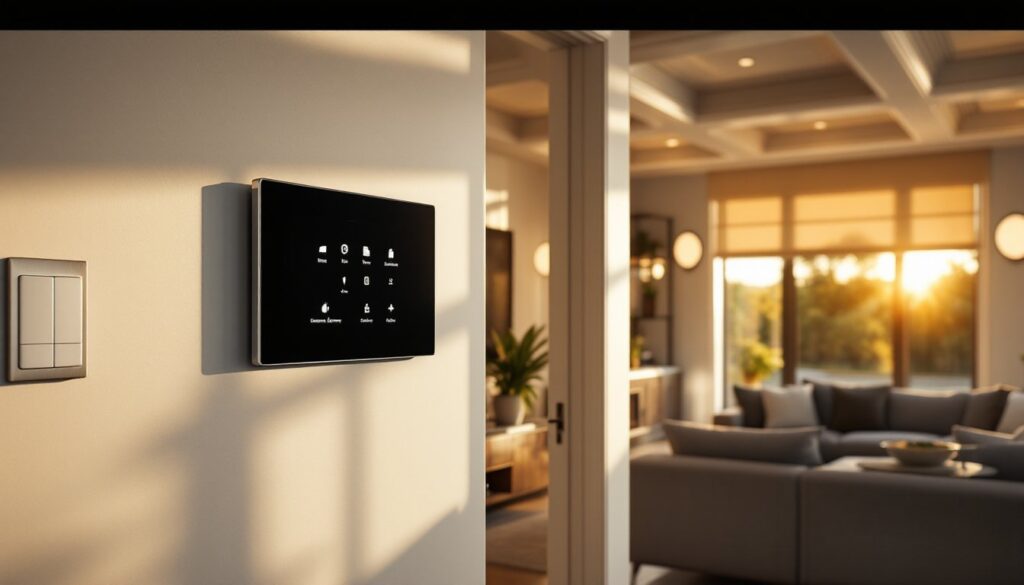
Pendant lights should hang 30–36 inches above a nightstand or reading nook. Look for rice paper lanterns (Noguchi-style) or simple drum shades in natural linen. Bulbs should be warm white (2700K–3000K) and dimmable. Install a dimmer switch on your overhead circuit if you don’t have one, it’s a straightforward DIY if you’re comfortable with basic electrical work. Turn off the breaker, remove the old switch, connect the dimmer’s wires (typically black to black, white to white, ground to ground), and secure it in the box. If you’re unsure, hire a licensed electrician: improper wiring is a fire hazard.
Table and floor lamps provide task lighting for reading. Position a lamp on each nightstand, or use a single floor lamp between the bed and a chair. Avoid swing-arm or articulated lamps unless they’re matte black or wood, shiny metal disrupts the aesthetic.
Accessories should be minimal and intentional. A single ceramic vase with a branch or dried grasses, a small tray for jewelry, or a stack of two or three books is enough for a nightstand. Walls can hold one large piece of art (black-and-white photography, abstract ink wash, or a simple line drawing) or remain bare.
Textiles add warmth without clutter. A chunky knit throw in oatmeal or charcoal draped over the foot of the bed, a low-pile jute rug, or linen curtains in a natural tone all fit. Avoid heavy drapes or patterned rugs, stick to solids or subtle texture.
Plants work if kept simple. A single potted fiddle-leaf fig or snake plant in a matte ceramic planter adds life without crowding the room. Overwatering is the most common mistake, most houseplants prefer dry soil between waterings. Use a moisture meter if you’re unsure.
DIY Tips for Achieving Japandi Style on Any Budget
You don’t need a five-figure budget to build a Japandi bedroom. Focus on a few high-impact changes rather than replacing everything at once.
Paint is the cheapest transformation. A gallon of quality paint covers roughly 350–400 square feet (one coat). For a 12×14-foot bedroom with 8-foot ceilings, you’ll need about a gallon and a half. Prep is critical: patch holes with spackle, sand smooth, and prime any dark or stained walls before applying your finish color. Use a respirator or N95 mask if sanding old paint, especially in homes built before 1978 (potential lead hazard).
Refinish existing furniture instead of buying new. Strip old varnish with a chemical stripper (wear nitrile gloves and work outdoors or in a well-ventilated garage). Sand with 120-grit, then 220-grit paper. Apply a natural oil finish for a matte, low-sheen look. A dresser that looks dated in glossy cherry can transform into a Japandi piece with a natural walnut stain and matte topcoat.
Build simple pieces if you have basic carpentry skills. A floating shelf or platform headboard requires minimal tools: a circular saw or miter saw, a drill, and a stud finder. Cut a piece of 1×8 or 1×10 pine to your desired length, sand, finish, and mount to wall studs using a French cleat or heavy-duty brackets rated for the weight. Always locate studs, drywall anchors alone won’t support the load.
Swap out hardware on existing furniture. Replacing bulky drawer pulls with sleek wooden knobs or leather pulls (around $3–$8 each) instantly modernizes a piece. Drill new holes if needed, then fill old holes with wood filler, sand, and touch up the finish.
Source secondhand. Vintage Scandinavian and mid-century modern furniture (which shares DNA with Japandi) shows up at estate sales, thrift stores, and online marketplaces. A solid teak dresser from the 1960s fits perfectly and often costs less than new particleboard. Inspect for structural soundness, wobbly joints or water damage are deal-breakers.
Tackle window treatments as a simple sewing project. Linen fabric runs $15–$30 per yard. Measure your window width, add 4–6 inches for hems, and hem the edges with a basic straight stitch. Use clip rings on a wooden curtain rod for an easy, no-sew hang. If sewing isn’t your thing, buy unfinished linen panels and dye them with natural dye (like iron and vinegar for gray tones) for a custom look.
For modern living inspiration, browse design resources that showcase real room transformations. You’ll notice common threads: fewer items, better materials, and careful editing. Apply that same discipline to your own space, if something doesn’t serve a function or bring you genuine satisfaction, it doesn’t belong in a Japandi bedroom.